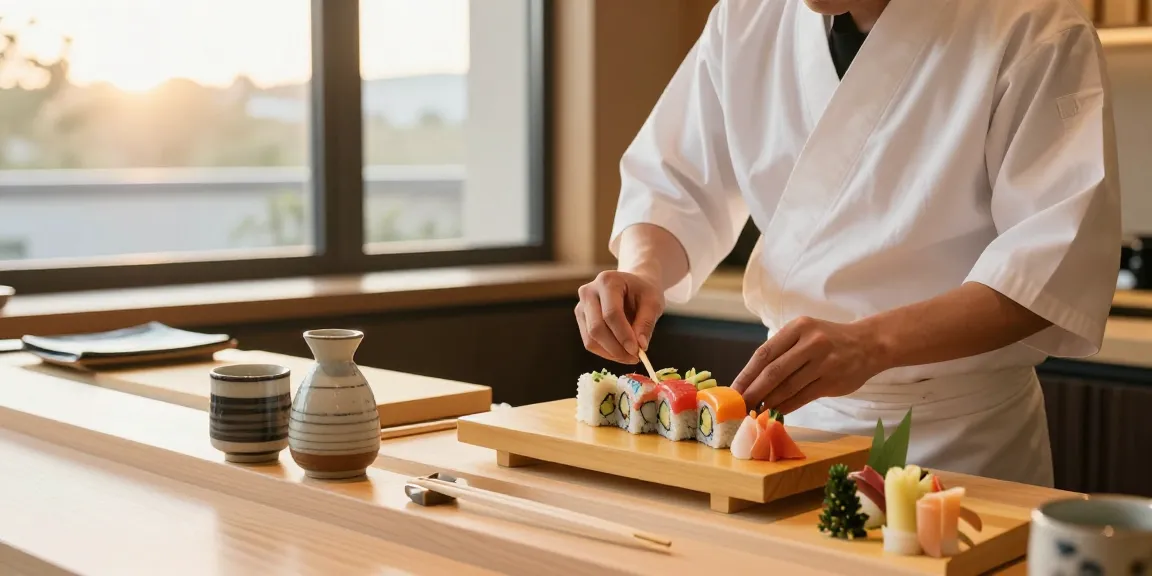
Understanding the Sushi Landscape in 2026
As we embrace 2026, the sushi dining experience has evolved significantly, reflecting changing consumer preferences, global culinary trends, and advancements in food technology. Sushi, once a niche Japanese delicacy, has become a global sensation, melding traditional techniques with innovative ingredients and flavors. In this competitive landscape, https://restaurant.sushitei.net serves as a prime example of how sushi restaurants adapt to these new dynamics, offering a seamless blend of authenticity and modern dining experiences. From sustainable sourcing to unique flavor profiles, understanding the current trends is essential for sushi enthusiasts and newcomers alike.
The Evolution of Sushi Restaurants
Sushi restaurants have undergone a remarkable transformation over the past decade. The traditional sushi bar, often characterized by a simple setting and a focus on fish quality, has given way to diverse dining experiences. We now see sushi restaurants embracing fusion concepts, offering creative rolls with non-traditional ingredients like avocado and spicy mayo. This evolution is not just about flavor—it's about presentation, ambiance, and the overall dining experience.
Moreover, technology has played a crucial role in this evolution. From online reservations to apps that allow customers to customize their orders, sushi eateries are utilizing digital tools to enhance convenience and customer satisfaction. As dining habits shift towards an expectation of both quality and accessibility, restaurants are responding with innovative formats like sushi delivery services and gourmet sushi kits for home preparation.
Current Trends in Sushi Dining
2026 has ushered in several key trends that define the sushi dining landscape. One prominent trend is the emphasis on sustainability. Diners are increasingly aware of the environmental impact of their food choices, prompting sushi restaurants to prioritize sustainable sourcing of fish and other ingredients. Many establishments are now forging partnerships with eco-friendly suppliers, ensuring that the seafood served is not only delicious but also responsibly harvested.
Additionally, plant-based sushi options have gained traction, reflecting the growing demand for vegetarian and vegan alternatives. Restaurants are creatively using ingredients like marinated tofu, vegetables, and even fruit to craft sushi rolls that appeal to all dietary preferences. This versatility resonates with health-conscious consumers looking for flavorful yet wholesome dining options.
What Consumers Want from Their Sushi Experience
In contemporary sushi dining, consumer expectations are evolving rapidly. Guests are not only seeking high-quality sushi but also memorable experiences. This has led restaurants to focus on customer engagement through unique dining formats, interactive experiences, and culinary events such as sushi-making classes led by skilled chefs.
Furthermore, consumers are looking for transparency in food preparation and sourcing. Those dining in sushi restaurants often want to know where their fish was sourced and what methods were used in its preparation. As a result, restaurants are adopting open kitchen concepts, allowing diners to watch their food being prepared, which enhances trust and connection to the meal.
Comparing Quality: https://restaurant.sushitei.net vs Local Competitors
Ingredient Sourcing and Sustainability Practices
When evaluating sushi restaurants, the sourcing of ingredients is paramount. Quality fish, fresh vegetables, and sustainable practices are hallmarks of a superior sushi experience. Each restaurant has its unique approach to sourcing, which can significantly affect the overall quality of the sushi.
For example, https://restaurant.sushitei.net is known for its commitment to sourcing only the freshest seafood, working directly with trusted suppliers who adhere to sustainable fishing practices. This not only ensures the highest quality but also aligns with the values of environmentally conscious diners.
Authenticity in Sushi Preparation Techniques
The authenticity of sushi preparation is another critical factor that distinguishes high-quality sushi restaurants from their competitors. Traditional sushi chefs undergo rigorous training that can last years, perfecting their knife skills and mastering the art of rice preparation. Restaurants that prioritize authentic techniques often deliver more flavorful and aesthetically pleasing sushi.
Comparatively, some local competitors may adapt their techniques for efficiency or cost, which can result in a diluted sushi experience. Authenticity, while sometimes more expensive, offers a culinary experience that pays homage to Japanese culture and its rich history.
Taste Profiles: What Sets Them Apart?
Taste is the defining element of any dining experience, and sushi is no exception. Each restaurant has its unique approach to flavor profiles, influenced by the chef's background, regional ingredients, and innovative ideas. Enhancements like house-made sauces, the use of seasonal ingredients, and unique marinades can elevate standard sushi offerings to extraordinary levels.
For instance, one restaurant may specialize in delicate nigiri topped with fresh herbs and citrus, while another may focus on robust rolls filled with spicy tuna and a tangy sauce. Understanding these distinctions can significantly enhance the dining experience for sushi lovers.
Customer Experience: The Dining Environment
Ambiance and Decor: Shaping Customer Perception
The ambiance of a sushi restaurant can greatly influence a diner's perception and enjoyment of the meal. Modern sushi establishments often combine traditional Japanese aesthetics with contemporary design, creating inviting spaces that enhance the dining experience.
Elements such as natural materials, soft lighting, and open spaces contribute to a welcoming atmosphere. This sets the stage for customers to savor each bite of sushi in a comfortable and thoughtfully designed environment. An inviting atmosphere can transform a meal into a memorable experience.
Service Quality: Expectations in 2026
In 2026, service quality remains a crucial factor in customer satisfaction. Diners expect not only knowledgeable staff but also personalized service tailored to their preferences. This can include recommendations based on previous visits, dietary restrictions, or even suggestions for pairing sake with their meal.
High levels of service can enhance the dining experience, making customers feel valued and willing to return. Restaurants that invest in comprehensive staff training and foster a culture of hospitality are more likely to succeed in the competitive sushi landscape.
Online Reviews and Their Impact on Customer Choices
In the age of technology, online reviews are an essential element of the dining decision-making process. Prospective diners increasingly turn to platforms like Yelp, Google Reviews, and social media to gauge the quality of sushi establishments before making reservations.
Positive reviews can drive traffic to a restaurant, while negative feedback can hinder potential customers. Thus, establishments are more motivated than ever to respond to customer feedback and continuously improve their offerings to ensure a favorable online presence.
Price Comparisons and Value Offers
Pricing Strategies of Successful Sushi Restaurants
Pricing strategies among sushi restaurants vary widely, depending on factors like location, ingredient sourcing, and dining format. Some fine-dining establishments may charge premium prices for luxurious offerings, while casual spots may focus on affordability to attract a broader clientele.
Understanding the target market is crucial. For example, a high-end sushi restaurant might craft a unique omakase experience that justifies a higher price point, showcasing the chef's craftsmanship and the restaurant’s commitment to quality. This approach enhances perceived value, even in a higher pricing bracket.
Value for Money: Promotions and Specials
Successful sushi restaurants often utilize promotions, happy hours, and special menus to entice customers without compromising on quality. Offering discounts on certain days or introducing lunch specials can cater to budget-conscious consumers while still providing a premium sushi experience.
Special events, such as sake tastings or sushi-making classes, can also add value, creating a more holistic dining experience that engages customers beyond just the meal.
Understanding Cost vs Quality: What to Expect
When dining at a sushi restaurant, understanding the correlation between cost and quality is essential. Higher prices often reflect the use of premium ingredients, expert craftsmanship, and exceptional service. Diners should be aware that while cheaper options may be available, the quality and freshness of the ingredients can significantly impact the overall experience.
By investing in quality dining, customers can expect not just a meal but an experience that celebrates the artistry behind sushi making.
Future Trends in Sushi Dining
Emerging Flavors and Culinary Innovations
The future of sushi is ripe with innovative flavors and culinary experiments. As global influences continue to shape cuisine, sushi chefs are integrating unexpected ingredients, such as tropical fruits, exotic spices, and globally inspired sauces, into their rolls.
This willingness to experiment is essential for standing out in a crowded market. Diners are more adventurous than ever, seeking unique culinary experiences that challenge their palates and broaden their sushi horizons.
The Role of Technology in Enhancing the Dining Experience
Technology is poised to redefine the sushi dining experience in the coming years. From virtual reality dining experiences to augmented reality menus that provide detailed information about the origin of ingredients, technology offers exciting possibilities. Additionally, online ordering systems and apps that streamline reservations will enhance the overall convenience for diners.
Restaurants that embrace technology will likely stay ahead of the curve, appealing to tech-savvy customers who appreciate seamless dining experiences.
Adaptive Strategies for Success in the Sushi Industry
As market dynamics shift, sushi restaurants must remain agile and responsive to changing consumer demands. Adopting adaptive strategies—such as focusing on sustainability, investing in staff training, and leveraging social media for engagement—will be crucial for long-term success. Restaurants that engage with their community, prioritize quality, and consistently seek feedback can cultivate a loyal customer base.
What should I know before dining at a sushi restaurant?
Understanding sushi dining etiquette and common practices can enhance your experience. Familiarize yourself with basic sushi terminology, and don’t hesitate to ask your server for recommendations. Additionally, consider trying different types of sushi, such as nigiri, sashimi, and rolls, to appreciate the diversity of the cuisine.
How can I differentiate quality sushi from mediocre options?
Quality sushi typically features fresh ingredients, a balanced rice-to-fish ratio, and precise preparation techniques. Pay attention to the chef's expertise, as masterful preparation can elevate the dish significantly. Reading reviews and checking the restaurant's reputation can also guide you toward high-quality options.
What are the best sushi dining practices for newcomers?
Newcomers should start by sampling a variety of sushi types to find their preferences. Additionally, it’s courteous to avoid mixing wasabi into soy sauce unless instructed, as traditional practice is to place a small amount directly on sushi pieces. Learning these subtle etiquettes can enhance your overall dining experience.
Are sushi experiences worth the price?
High-quality sushi experiences may come at a premium, but they often justify the price through exceptional ingredients, craftsmanship, and service. If it’s within your budget, investing in a quality sushi meal can provide a memorable culinary adventure.
What trends should I look for in sushi restaurants in 2026?
As we advance through 2026, keep an eye on innovations in plant-based sushi, sustainability practices, and enhanced customer engagement through technology. These trends indicate a shift toward a more holistic and conscious approach to sushi dining, where flavor, quality, and responsibility go hand in hand.